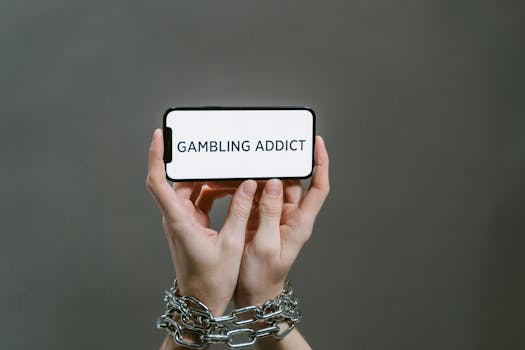
The Role of Emotions in Decision-Making in Gambling
Introduction to the Impact of Emotions on Gambling Decisions
When it comes to gambling, whether at a casino or online, decisions are often deeply intertwined with emotions. Understanding the role of emotions in decision-making in gambling is crucial not only for players looking to manage their habits better but also for professionals in the gambling industry aiming to provide a responsible gaming environment. This article explores how emotions influence gambling decisions, the benefits and drawbacks of emotional and rational approaches, and offers practical insights and recommendations.
.png)
Emotional Decision-Making in Gambling
The Nature of Emotional Decisions
Emotional decision-making in gambling is characterized by choices made based on feelings rather than logical analysis. When gamblers are led by emotions, their decisions can be influenced by a variety of factors including the thrill of the game, the mood they are in, and their previous gambling outcomes. Emotional decisions are often quick and reactive, which in the context of gambling, can lead to higher risks and less deliberative thinking.
Advantages of Emotional Decision-Making
- Enhanced Enjoyment: For many, gambling is not just about winning money but also about the excitement and emotional highs it offers. Emotional decision-making can enhance the entertainment value of gambling.
- Intuitive Play: Sometimes, experienced gamblers might rely on their gut feelings or intuition, which can sometimes lead to successful outcomes based on past experiences subconsciously influencing their choices.
Disadvantages of Emotional Decision-Making
- Increased Risk of Losses: Emotions like excitement or frustration can cloud judgment, leading to poor decision-making and increased chances of losing money.
- Vulnerability to Addiction: Emotional gamblers might be more susceptible to gambling addiction as they seek the emotional highs and lows that gambling provides, which can lead to problematic gambling behaviors.
Rational Decision-Making in Gambling
The Essence of Rational Decisions
In contrast to emotional decision-making, rational decisions in gambling are based on logical analysis and probability assessments. This approach involves careful thinking, planning, and the weighing of consequences before making a gambling decision.
Advantages of Rational Decision-Making
- Reduced Risk of Losses: Rational gamblers are likely to make more calculated and thoughtful gambling choices, potentially leading to reduced losses and more controlled play.
- Prevention of Gambling Addiction: By maintaining a logical approach, rational gamblers may be less prone to develop gambling problems as they are more likely to adhere to set limits and strategies.
Disadvantages of Rational Decision-Making
- Reduced Emotional Gratification: Gambling can be less thrilling when decisions are made purely based on logic, potentially diminishing the entertainment value for some players.
- Overconfidence: Rational gamblers might become overconfident in their systems or strategies, which can lead to unexpected losses if the outcomes are not as predicted.
Practical Examples of Emotional vs. Rational Gambling
Consider a gambler playing roulette. An emotionally-driven player might continue to increase their bets after each loss, driven by the frustration of losing and the hope of a big win with the next spin. In contrast, a rational gambler might set a loss limit before starting the game and stick to a predetermined betting system, regardless of short-term outcomes.
Conclusion: Balancing Emotion and Rationality in Gambling
In conclusion, while emotions can enhance the excitement of gambling, they often lead to less rational decisions and increased risks. On the other hand, while rational decision-making can help manage risks and prevent addiction, it may also diminish the emotional enjoyment that many seek from gambling. Gamblers should aim to find a balance between emotional and rational decision-making, being aware of the emotional influences on their gambling behavior while also implementing rational strategies to keep their gambling habits in check.
For those looking to improve their gambling decisions, consider tools and strategies that help maintain this balance. Setting clear gambling budgets, understanding the odds, and taking breaks are practical steps to mitigate the impact of emotions while gambling. Always gamble responsibly, and consider seeking professional help if gambling stops being fun and starts to cause distress.
Call to Action
Interested in learning more about responsible gambling or need help managing your gambling habits? Visit [insert reliable source] for resources and support. Remember, understanding the role of emotions in your gambling decisions is the first step towards a healthier gambling experience.