Gambling is more than just a game of luck or skill—it’s a thrilling interplay between chance, strategy, and human psychology. Every spin of the roulette wheel, every hand of poker, and every slot machine pull is accompanied by a surge of emotions. These feelings—anticipation, excitement, frustration, or even despair—aren’t just fleeting sensations. They actively shape the decisions players make, sometimes enhancing, but often sabotaging, their odds. To truly understand what happens inside a casino, whether physical or online, we need to explore the fascinating world of player psychology and how emotions can tip the scales of decision-making.
The Emotional Rollercoaster of Casino Play
Casinos are carefully designed to trigger a spectrum of emotions. From the flashing lights and upbeat music of slot machines to the intense focus at a poker table, every element is crafted to evoke excitement, anticipation, and engagement. According to a 2022 survey by the American Gaming Association, over 65% of regular casino players reported that emotional highs and lows were a major part of their overall gambling experience.
These emotional responses aren’t accidental. Psychological studies reveal that when players experience a “near-miss”—such as getting two out of three jackpot symbols on a slot machine—the brain releases dopamine, the same chemical associated with pleasure and reward. This near-win effect can be almost as stimulating as an actual win, prompting further play in the hope that luck is just around the corner.
.png)
But it’s not just the highs that matter. The lows—disappointment after a loss, stress from a losing streak, or frustration at a bad beat—can significantly impact a player’s perception of risk and their willingness to keep betting. Emotional swings can lead players to make impulsive decisions, chase losses, or abandon strategies that had previously worked for them.
Emotions and Cognitive Biases: The Invisible Influencers
Emotional states don’t just color the gambling experience; they actively shape the way players process information and make decisions. Several well-documented cognitive biases are especially pronounced in casino settings:
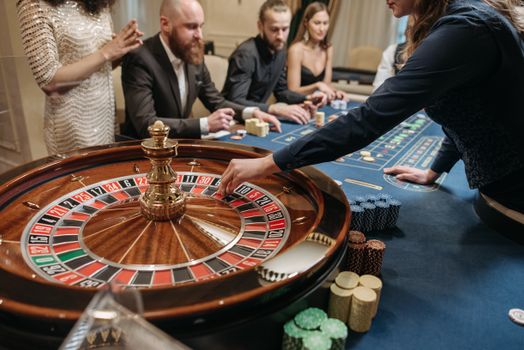
- Gambler’s Fallacy: This is the mistaken belief that past events influence future outcomes in games of chance. For example, after a streak of red numbers in roulette, a player might believe black is “due,” even though each spin is independent. Emotional investment in the game fuels this fallacy, leading to poor betting choices. - Loss Aversion: Humans tend to fear losses more than they value equivalent gains. In a casino, this can cause players to double down after a loss in an attempt to “win it back,” often resulting in bigger losses. - Overconfidence Effect: A string of small wins can inflate a player’s confidence, making them believe they have a special skill or “hot streak,” even in games of pure chance. This emotional high can prompt riskier bets.Emotions amplify these biases, making it harder for players to make rational, calculated decisions. A 2020 study in the Journal of Gambling Studies found that players experiencing heightened emotions (positive or negative) were 40% more likely to make riskier bets compared to those in a neutral emotional state.
How Winning and Losing Streaks Affect Judgment
Winning and losing streaks are among the most emotionally charged experiences in a casino. The psychological impact of these streaks can be profound, influencing not only the amount wagered but also the strategies employed.
When on a winning streak, players often experience a surge of positive emotions—happiness, excitement, and a sense of invincibility. This “winner’s high” can lead to increased risk-taking, larger bets, and sometimes a neglect of basic strategy. A 2019 analysis of online poker hands found that players on a winning streak increased their average bet size by 23% compared to their baseline.
Conversely, losing streaks tend to induce frustration, disappointment, and sometimes desperation. Many players respond by chasing losses—making larger or riskier bets in an attempt to recover what’s been lost. This behavior, known as “tilt” in poker, can quickly deplete a bankroll and lead to regret.
The following table summarizes the typical emotional responses and behavioral changes during winning and losing streaks:
| Streak Type | Common Emotions | Typical Player Behaviors | Potential Impact |
|---|---|---|---|
| Winning Streak | Excitement, confidence, euphoria | Increased bet sizes, riskier strategies, longer play sessions | Potential for bigger wins, but also larger losses if luck turns |
| Losing Streak | Frustration, anxiety, desperation | Chasing losses, impulsive decisions, deviation from strategy | Rapid bankroll depletion, emotional exhaustion |
Understanding these patterns can help players recognize when emotions are driving their decisions, rather than logic or strategy.
The Role of Environment and Social Dynamics
Beyond individual emotions, the casino environment and social factors further shape decision-making. Casinos use architectural design, lighting, sound, and even scent to influence mood. For instance, research from the University of Nevada-Las Vegas in 2021 found that players exposed to upbeat music and ambient casino sounds increased their betting frequency by 17% compared to those in quieter environments.
Social dynamics play a significant role as well. The presence of other players can lead to “social facilitation,” where people take more risks when observed by others—especially in competitive games like poker or blackjack. Peer pressure, group wins, or even the excitement of cheering crowds can heighten emotions and push players to make bolder moves.
Online casinos replicate these dynamics with chat features, live dealers, and real-time leaderboards, ensuring that the emotional and social aspects of gambling remain powerful even in digital spaces.
Managing Emotions: Strategies for Smarter Play
While emotions are unavoidable, players can take concrete steps to minimize their negative impact and make better decisions at the casino.
1. Set Strict Limits: Decide in advance how much money and time you are willing to spend, and stick to these boundaries. According to the UK Gambling Commission, players who set pre-determined limits were 30% less likely to report regretful gambling behavior. 2. Take Regular Breaks: Stepping away from the table or screen helps reset your emotional state and reduces impulsive decisions. Many experienced players follow the “20-20” rule: a short break every 20 minutes of play. 3. Recognize Triggers: Are you more likely to chase losses after a bad beat? Do you increase your bets after a big win? Identifying these patterns is the first step to controlling them. 4. Practice Mindfulness: Techniques such as deep breathing and mindful awareness can help players pause and evaluate their next move rationally. In 2022, a study published in the journal Addictive Behaviors found that gamblers who practiced mindfulness exercises were 35% less likely to make impulsive bets. 5. Seek Support: If you notice emotions consistently driving poor choices, consider speaking with a professional or joining a support group. Early intervention can prevent small issues from escalating.Understanding the House Edge: Rational Thinking vs. Emotional Play
At the core of every casino game is the house edge—the mathematical advantage that ensures the casino profits over time. While most players intellectually understand that “the house always wins” in the long run, emotional play can overshadow this rational knowledge.
For example, after a series of wins, a player might believe they can “beat the odds,” leading to riskier bets and potentially bigger losses. Conversely, after losing, emotions may convince a player that their luck is about to change, pushing them to chase losses even when the odds remain unchanged.
Emotional decision-making can make players forget the importance of Return to Player (RTP) rates and optimal strategies. By keeping a clear head and focusing on the facts—like the 1.06% house edge in baccarat banker bets or the 5.26% edge on American roulette—players can make more informed choices and enjoy a safer, more enjoyable experience.
Final Thoughts on Player Psychology and Casino Decision-Making
Emotions are an inseparable part of the casino experience. From the exhilaration of a win to the frustration of a loss, feelings can drive players to make decisions they might later regret. By understanding the psychological mechanisms at play—cognitive biases, streak effects, environmental cues—gamblers can take steps to manage their emotions, preserve their bankroll, and get the most enjoyment out of their gaming sessions.
Whether you play for fun or with the hope of hitting it big, remember: the smartest players know the value of a clear mind and a steady hand. The next time you’re at the table, take a moment to check in with your emotions—your wallet may thank you.