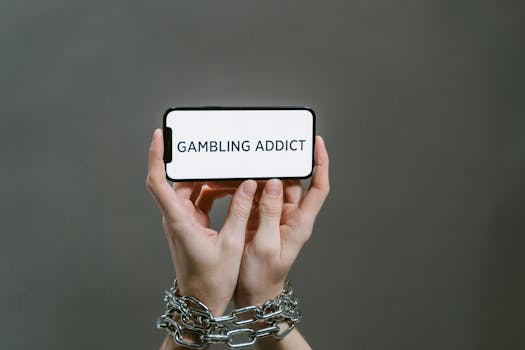
Gambling addiction—often hidden behind the glamorous images of flashy casinos and big wins—is a serious and debilitating condition with far-reaching consequences. Recognized as a disorder by psychological standards, it impairs an individual's ability to restrain their betting activities, despite the destructive consequences they might face. This in-depth look aims to shed light on the true cost of gambling addiction, exploring its financial, emotional, and societal impacts.
Financial Costs
For many, the thrill of gambling quickly spirals into a vortex of financial despair. Compulsive gamblers can face overwhelming debt, often resulting from high-stakes or frequent betting. Savings are depleted, assets such as homes can be lost, and securing loans at exorbitant interest rates becomes a reality. In extreme cases, this financial debacle leads to theft, bankruptcy, or both. The repercussions extend beyond the gamblers themselves, placing a burden on families and even public resources when financial support from the state is required.
.png)
Emotional and Psychological Costs
The psychological toll of gambling addiction is profound. Chronic stress from mounting debts and financial insecurity leads to severe emotional distress, including depression and anxiety. The stigma and shame attached to gambling problems may cause sufferers to isolate themselves, affecting personal relationships and social stability. Additionally, the constant strain can trigger or exacerbate other mental health issues, such as substance abuse disorders, creating a complex web of psychological challenges.
Social Costs
The societal implications of gambling addiction extend into wider community and economic arenas. There's a noticeable increase in crime rates as some individuals resort to illegal activities to fund their gambling habits. This not only places additional strain on law enforcement and judicial systems but also erodes the sense of safety within communities. The workplace suffers too, with decreases in productivity and higher rates of absenteeism, which in turn can lead to job losses and an overall economic downturn.
Treatment and Recovery Costs
Addressing gambling addiction requires substantial investments in mental health services, including therapy and rehabilitation programs, which can be costly and not always covered by health insurance. The economic impact is compounded by lost productivity, as individuals take time off work to engage in treatment programs. Recovery is often a lengthy process, fraught with potential relapses and continuous need for support.
Preventive Measures and Education
Prevention and education are key components in the fight against gambling addiction. Initiatives such as public awareness campaigns, educational outreach in schools, and tighter regulations on gambling institutions are critical. These measures, however, require substantial funding and commitment from both governmental and private sectors to implement effectively.
Conclusion
The true cost of gambling addiction encompasses a wide spectrum of issues, affecting everything from personal finances and mental health to societal welfare and economic stability. It underscores the need for comprehensive strategies that include prevention, treatment, and ongoing support to mitigate these effects. As a society, recognizing the seriousness of gambling addiction and taking proactive steps to address it is crucial in safeguarding the well-being of individuals and the communities they live in.
Understanding and addressing the multifaceted impacts of gambling addiction is essential for policymakers, healthcare providers, and community leaders. By fostering an environment of support and awareness, it is possible to reduce the prevalence of gambling issues and enhance the quality of life for those affected.