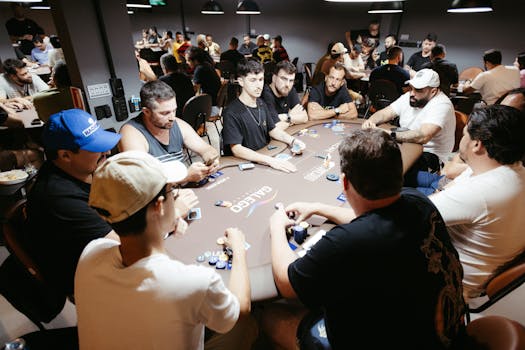
Poker Face: Mastering the Psychological Art of Gambling
In the competitive arena of poker, the battle is not only against the cards but also against the minds of your opponents. Mastering the psychological aspects of the game is as critical as understanding the rules and strategies. This article explores the essential psychological tactics that distinguish a proficient gambler, focusing on maintaining a poker face, reading opponents, managing emotions, strategic deception, sustaining mental endurance, and adept risk assessment.
- Perfecting the Poker Face
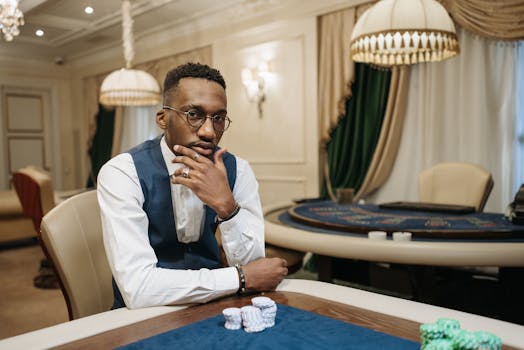
A poker face is more than just an impassive expression; it's a comprehensive concealment of emotions and intentions. Successful poker players master the art of controlling not only their facial expressions but also their body language to prevent any giveaways about their hand. This includes managing micro-expressions, gestures, and even the tone of voice.
.png)
- The Art of Reading Opponents
Expert gamblers excel in the art of deciphering 'tells'—subtle cues that indicate what an opponent might be thinking or holding. These can include nervous habits, hesitations, verbal cues, or changes in betting patterns. By paying close attention to these details, skilled players can anticipate their opponents' moves and gain significant advantages.
- Emotional Regulation
Staying emotionally neutral, also known as avoiding 'tilt', is crucial in poker. Tilt can cloud judgment, leading to impulsive decisions and significant losses. Professional gamblers use various techniques to regulate their emotions, such as deep breathing, taking scheduled breaks, and setting financial limits to prevent rash decisions under pressure.
- Strategic Deception: Bluffing
Bluffing is a powerful tool in poker, used to mislead opponents about the strength of one's hand. Effective bluffing is not just about lying well; it's about knowing when to bluff based on the game’s context and opponents' behaviors. A timely bluff can turn a weak hand into a winning one, but excessive bluffing can also make a player predictable.
- Psychological Endurance
Poker sessions can be lengthy and wearing, demanding high levels of concentration and mental stamina. Top players often engage in mental conditioning practices like meditation, visualization, and even maintaining physical fitness to ensure they stay sharp and focused throughout the game.
- Risk Assessment and Decision Making
Good gambling is synonymous with smart risk-taking. Skilled players are adept at assessing probabilities and expected values, and they adjust their strategies to maximize wins and minimize losses. This involves a delicate balance of gut instinct and a deep understanding of the mathematical aspects of the game.
Conclusion
The psychological tactics utilized in gambling go far beyond mere game mechanics. They involve a deep understanding of human behavior, emotional self-control, strategic foresight, and rigorous mental discipline. For anyone aiming to improve their gambling skills, focusing on these psychological elements is as important as practicing the game itself. Whether you're a beginner or a seasoned player, refining these skills can profoundly impact your effectiveness at the poker table, turning calculated gambles into consistent victories.