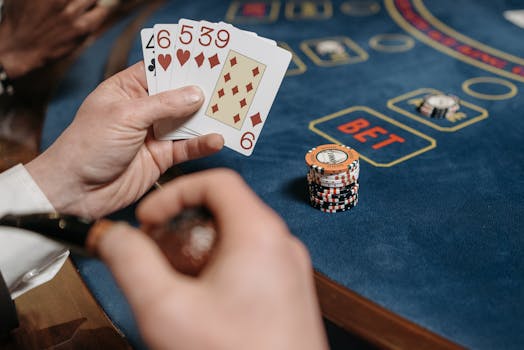
Are Poker Faces Real? Understanding Bluffing in Gambling
The iconic "poker face" is a term that resonates beyond the green felt tables of poker, capturing the imagination of everyone from pop culture enthusiasts to strategic business negotiators. But how does this stoic expression play into the real-world tactics of gambling? This article will explore the effectiveness of a poker face and the underlying psychology of bluffing in games like poker.
The Strategic Art of Bluffing
.png)
Bluffing is an integral part of poker and many strategic games, where the aim is to mislead opponents about one’s actual situation. In poker, bluffing can compel opponents to fold better hands or to wager more aggressively on weaker ones. Central to successful bluffing is maintaining a poker face, which camouflages one’s intentions and misleads opponents about the strength of one’s hand.
The Science Behind the Poker Face
Achieving a true poker face involves more than withholding emotional reactions; it's about actively concealing any tells (behavioral or physical cues) that might clue opponents into your actual thoughts or feelings. Psychological research indicates that people are typically quite proficient at reading others' emotional states, so effectively masking one’s emotions can be a formidable advantage in poker.
Involuntary micro-expressions can occasionally betray a player's true emotions, despite their best efforts to maintain neutrality. These fleeting expressions, sometimes lasting only 1/25th of a second, can sometimes be caught by experienced players or professionals trained to recognize them.
Training the Poker Face
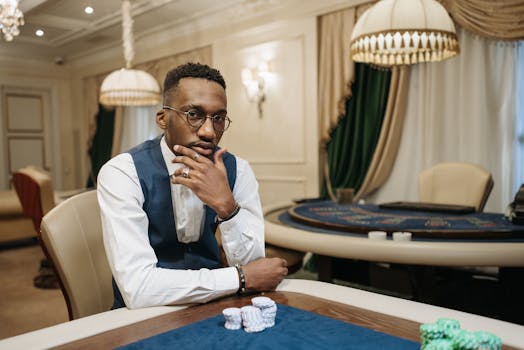
Developing an effective poker face is about mastering control over both facial expressions and body language. Many players practice by observing themselves in mirrors or on video to refine their control over potential tells. Accessories like sunglasses or hats can also aid in concealing one’s eyes or facial movements, adding an extra layer of mystery.
Psychological Dynamics of Bluffing
Bluffing isn't just about the cards; it's heavily rooted in psychological warfare. It involves understanding and manipulating the mental and emotional states of one’s opponents. A successful bluffer excels in reading other players, anticipating their moves, and adapting to the psychological climate of the game.
The history and image a player cultivates at the table can also affect the success of a bluff. Players perceived as cautious or "tight" are generally more successful in deceiving opponents than those who have a "loose" or aggressive image.
The Role of Emotion in Bluffing
While a neutral expression is key, effective emotion management is equally crucial. Staying emotionally regulated helps players remain composed, think clearly, and carry out bluffs convincingly. It also prevents them from exhibiting any physiological signs of stress or excitement, which could jeopardize a bluff.
Beyond Gambling: The Cultural Impact of the Poker Face
The concept of the poker face has transcended gambling, becoming relevant in various fields where strategic deception is beneficial. In business, for example, maintaining a poker face during negotiations can prevent opponents from discerning your real stakes or concerns.
Conclusion
The poker face is more than just a pop culture reference; it is a nuanced tool in gambling, especially in poker, where emotional control and behavioral mastery come into play. While not everyone may naturally excel at maintaining a poker face, with practice and psychological understanding, individuals can enhance their ability to bluff effectively. This skill, while invaluable in poker, can also serve well in other areas of life where strategic emotional control can lead to advantageous outcomes.