Understanding the real odds of winning at casino games is crucial for anyone who steps into the vibrant, enticing world of gambling. Armed with knowledge and strategies, players can navigate through the glitz and allure with a more rational approach to their casino experiences.
Casinos are indeed businesses, and every game they offer is designed to tip the scales in their favor. This concept is called the "house edge," a built-in advantage that ensures casinos make a profit over time. The house edge varies across different games, subtly influencing gambling behaviors and outcomes.
Slot machines, for example, are a major draw due to their simplicity and the potential for large payouts. However, they also typically have a lower payout rate, ranging from 85% to 98%. This percentage represents the average amount of money returned to players as winnings; the remainder is retained by the casino as profit. The allure of slot machines often masks these percentages, leading players to underestimate the cost of each spin.
.png)
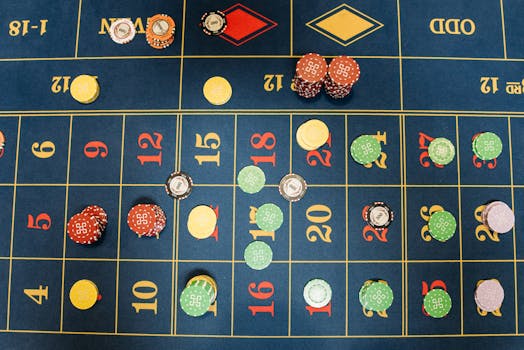
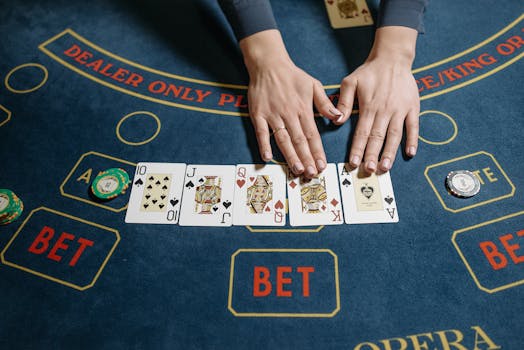
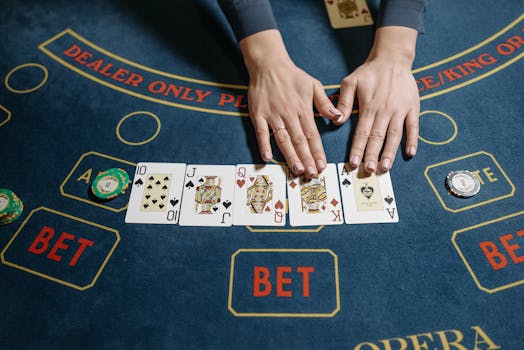
Table games like blackjack, roulette, and craps generally offer better odds than slots but still incorporate a house advantage. Blackjack, for instance, can have a house edge as low as 0.5% with optimal play, making it one of the more favorable casino games. However, without the proper strategy, the edge increases significantly. American roulette, with its extra double zero slot, nearly doubles the house edge found in European roulette, emphasizing the importance of game selection in gambling strategies.
Beyond mathematical edges, casinos employ psychological strategies to keep players engaged. The strategic layout of games, absence of time indicators (like clocks and windows), free amenities, and the constant stimulation of lights and sounds are all designed to encourage longer play periods. Prominent placement and attractive packaging of games with poorer odds are designed to draw players in, often resulting in higher profits for the casino.
Despite these challenges, there are ways to increase your chances of winning. Educating yourself about the games and their odds is the first step. Opting for games with better odds and learning the necessary strategies can significantly improve your chances. Managing your bankroll is equally important; setting and adhering to a budget prevents the common pitfall of chasing losses.
Furthermore, taking advantage of bonuses and promotions can extend playtime without additional expense. However, it's vital to understand the terms and conditions associated with these offers to avoid unexpected complications.
Ultimately, it's essential to remember that gambling is a form of entertainment, not a reliable source of income. The odds will always favor the house, and treating gambling as a recreational activity rather than a way to make money is the best approach to ensure it remains enjoyable and within your financial means.
By approaching gambling with a well-informed mindset and responsible habits, you can enjoy the entertainment aspect of casinos without falling prey to the less visible systems designed to profit at your expense.