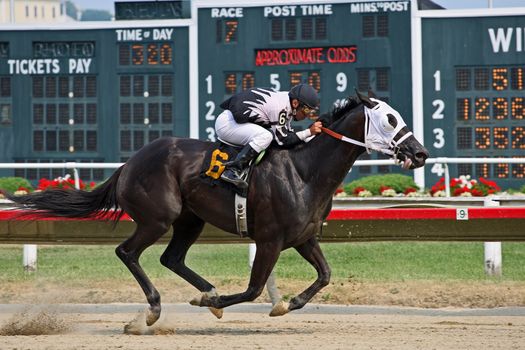
Gambling Secrets: Comparing Different Types of Sports Betting and Their Strategies
Sports betting is an ever-evolving world, blending excitement, skill, and strategy. While millions participate globally, only a fraction truly understand the nuances that separate casual bets from calculated wagers. The variety of sports betting options—each with its own secrets and strategies—can be overwhelming for newcomers and seasoned bettors alike. In this guide, we’ll unravel the mysteries behind different types of sports betting and reveal the strategic approaches that can help you gain an edge, no matter your experience level.
The Spectrum of Sports Betting: More Than Just Picking Winners
Sports betting today is far more sophisticated than simply predicting who will win or lose. According to Statista, the global sports betting market was valued at over $83 billion in 2022, with projections to surpass $140 billion by 2028. This growth is fueled by the sheer diversity of betting types, ranging from traditional bets to innovative, data-driven options.
Let’s explore the most popular forms of sports betting:
- Moneyline Bets: Choosing which team or athlete will win. - Point Spread Bets: Betting on the margin of victory. - Over/Under (Totals): Wagering if the final score will be over or under a set value. - Parlay Bets: Combining multiple bets into one wager for bigger payouts. - Prop Bets (Propositions): Betting on specific events within the game. - Live (In-Play) Betting: Placing bets as the action unfolds.Each category offers unique opportunities and risks. Understanding these is crucial before you even start thinking about strategy.
.png)
Moneyline vs. Point Spread: Foundation of Betting Strategies
Moneyline and point spread bets are the backbone of sports betting, particularly in North America. They represent two distinct philosophies: betting on pure outcomes versus betting on performance relative to expectations.
Moneyline bets are straightforward—pick the winner. The odds reflect the bookmaker’s estimate of each team’s chances. For example, if Team A is -150 and Team B is +130, you need to bet $150 on Team A to win $100, while a $100 bet on Team B wins $130.
Point spread bets, on the other hand, level the playing field. If Team A is favored by -6.5 points, they must win by at least 7 points for a bet on them to pay out. This creates more balanced odds and often more engaging betting options.
Here’s how moneyline and point spread betting stack up:
| Type | How it Works | Risk Level | Strategy Tip |
|---|---|---|---|
| Moneyline | Pick the outright winner | Lower (Favorites win more often, lower payouts) | Look for undervalued underdogs based on team news or momentum |
| Point Spread | Bet on margin of victory | Medium (More variables, higher payouts possible) | Analyze matchup data and recent team performance against the spread |
Serious bettors often specialize in one or the other, using advanced statistics like Expected Points Added (EPA) or Defensive Efficiency to uncover value.
Exploring Over/Under, Parlays, and Prop Bets: Advanced Tactics
Beyond the basics, over/under, parlay, and prop bets open new dimensions of strategy:
1. Over/Under (Totals): Here, the sportsbook sets a predicted total score for the game, and you wager whether the actual score will be higher (over) or lower (under). According to a 2023 report from the American Gaming Association, over/under bets account for nearly 20% of all NFL wagers. Successful over/under betting requires examining weather, injuries, pace of play, and historical trends. 2. Parlay Bets: A parlay combines two or more bets into a single wager. All selections must win for the parlay to pay out—hence, the risk is high, but payouts can be massive (sometimes 10-1 or more). In 2022, DraftKings reported that parlays made up 30% of all bets but only 17% of total payouts, highlighting their allure and risk. Seasoned bettors use small parlays with correlated outcomes to boost value. 3. Prop Bets: Proposition bets are wagers on specific events within a game, such as “Will Player X score a touchdown?” or “How many three-pointers will Team Y make?” These bets are often softer markets, meaning the lines are less sharp. Researching player stats, game scripts, and coaching tendencies can reveal hidden value in prop markets.Live Betting: Real-Time Strategy in the Heat of the Game
Live or in-play betting is exploding in popularity, with some estimates suggesting it represents over 50% of all online sports wagers in Europe. Live betting allows you to place wagers as the game unfolds, with odds updating in real time based on the current score, time remaining, and momentum shifts.
Strategic live betting involves:
- Watching for “overreactions” to recent events (e.g., a team falling behind early, causing their odds to balloon). - Using your own understanding of the sport to spot value before the sportsbook’s algorithms update. - Hedging pre-game bets by taking the opposite side if the game isn’t playing out as expected.For example, if you bet on a favorite pre-game but they go down by 10 points early, you might get better odds to “double down” live if you believe they will come back. Data, quick decision-making, and self-control are critical in live betting environments.
Comparing Sports Betting Types: Risk, Reward, and Skill
With so many betting options, choosing the right type depends on your risk tolerance, skill set, and goals. Here’s a comparative overview:
| Bet Type | Skill Required | Risk Level | Typical Payout | Ideal For |
|---|---|---|---|---|
| Moneyline | Moderate | Low to Medium | Even to moderate return | Beginners, straight outcome bettors |
| Point Spread | High | Medium | Even return | Experienced bettors, value seekers |
| Over/Under | High | Medium | Even return | Statistically-minded bettors |
| Parlay | Moderate | High | High return (up to 10x+) | Risk-takers, jackpot chasers |
| Prop Bets | High (research-driven) | Medium | Variable | Statistical analysts, niche experts |
| Live Betting | Very High (quick thinking) | Variable (can be high) | Variable | Fast-paced thinkers, game watchers |
As you can see, no bet type is inherently "better"—the right choice depends on your knowledge, temperament, and betting objectives.
Sharpening Your Edge: Data-Driven Sports Betting Strategies
Winning consistently in sports betting requires more than luck. Top bettors leverage data, discipline, and diversification.
1. Bankroll Management: Only 1-2% of your total bankroll should be risked on a single wager. This reduces the impact of inevitable losing streaks. 2. Line Shopping: Comparing odds across multiple sportsbooks can increase your profits by 2-5% over time, according to the BettingUSA research group. 3. Advanced Analytics: Use statistics like Expected Goals (xG) in soccer or Player Efficiency Rating (PER) in basketball to assess true team or player strength. Power ratings and historical matchup data also help spot mispriced lines. 4. Specialization: Focus on one league or bet type to develop deep expertise. For example, NBA prop specialists may find more value than those betting every game. 5. Emotional Discipline: The best strategies are worthless without self-control. Don’t chase losses or get swept up in hype—stick to your plan.Case in point: In 2021, professional sports bettor James Holzhauer won $2.46 million on Jeopardy!, but he credits his success to the same discipline and data-driven approach he applies in sports betting.
Final Thoughts on Mastering Sports Betting Secrets
The world of sports betting is rich with opportunity, but also fraught with risk. The secret to success isn’t one magic system, but rather a deep understanding of the many types of bets, their strategic nuances, and the disciplined use of data and bankroll management. Moneyline, point spread, totals, parlays, props, and live betting each offer unique challenges and rewards.
If you’re serious about turning your sports knowledge into profit, start by choosing the bet types that suit your strengths, study the underlying statistics, and always bet responsibly. Remember, even the sharpest bettors win only about 55-60% of their wagers over the long term. Patience, discipline, and continuous learning are your best allies.