Chasing Losses: The Dangers of Compulsive Gambling
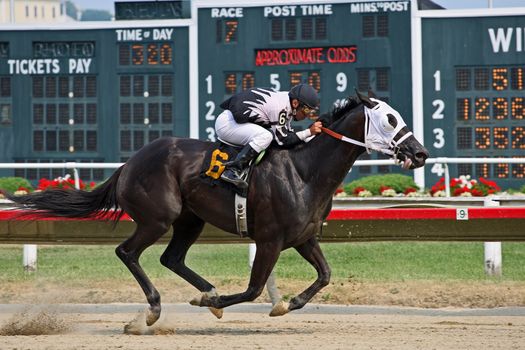
Gambling can start as harmless fun—a night out at the casino, a friendly wager on a sports game, or a quick spin on a slot machine. For many, this is where it ends, a form of entertainment with an understanding that the odds are not always in their favor. However, for a significant minority, gambling escalates from recreation to obsession. The urge to win back lost money—a phenomenon known as "chasing losses"—can quickly spiral out of control, leading to serious financial, psychological, and social consequences. Understanding the dangers of compulsive gambling is crucial, not just for those at risk, but for their families and communities as well.
What Is Chasing Losses?
Chasing losses is the act of continuing to gamble in an attempt to recover money that has already been lost. This behavior is rooted in the false belief that a winning streak is just around the corner, or that luck will turn in the player’s favor. In reality, the odds remain the same, and further gambling often leads to deeper losses.
According to the National Council on Problem Gambling, approximately 2 million U.S. adults (about 1% of the population) are estimated to meet criteria for severe gambling problems, with another 4-6 million (2-3%) experiencing mild or moderate problems. The cycle of chasing losses is a hallmark of compulsive or problem gambling, often driving people to take bigger risks, borrow money, or even engage in illegal activities to fund their habit.
.png)
The Psychological Triggers Behind Compulsive Gambling
Compulsive gambling is recognized by the American Psychiatric Association as a behavioral addiction, sharing many traits with substance abuse disorders. The urge to chase losses is not solely the result of bad luck or poor decision-making; it is often driven by complex psychological factors.
Key triggers include:
- $1 Gamblers may believe they can control random outcomes or that their luck will change if they keep playing. This "gambler’s fallacy" is a powerful motivator for continued play, despite mounting losses. - $1 Many people gamble to escape stress, anxiety, or depression. When they lose, the negative emotions intensify, and gambling becomes both the cause of and the (temporary) escape from distress. - $1 Brain imaging studies reveal that gambling activates the same reward pathways as drugs or alcohol. The anticipation of a win releases dopamine, reinforcing the desire to gamble even when losing.A 2020 study published in the journal $1 found that nearly 76% of people with gambling disorder reported significant anxiety or depression, underscoring the strong link between mental health challenges and compulsive gambling.
Financial and Social Fallout: The Real-World Impact
The consequences of chasing losses extend far beyond the gambling venue or online platform. Financial disaster is common. According to the Debt Advisory Centre, the average debt of a problem gambler in the UK is estimated at £13,000—more than three times the national average household debt.
But the impact does not stop at empty bank accounts. Relationships often suffer as trust erodes and families struggle with secrecy, lies, and the stress of mounting bills. A 2016 report by the Australian Productivity Commission estimated that for every person with a gambling problem, up to seven others are negatively affected, including family, friends, and colleagues.
Social consequences may include:
- Job loss due to poor performance or absenteeism - Legal issues, such as theft or fraud to finance gambling - Social isolation and breakdown of support networksThe ripple effect of compulsive gambling extends into entire communities, increasing the need for social services, mental health care, and legal intervention.
The Cycle of Chasing: How Gambling Addiction Develops
Gambling addiction often follows a predictable cycle:
1. $1 Initial wins create excitement and the illusion of easy money. 2. $1 Losses start to mount, but the gambler believes a big win will erase the deficit. 3. $1 The gambler increases their bets to recover losses, leading to more severe financial and emotional problems. 4. $1 After repeated failures, the gambler may feel trapped, hopeless, and even consider drastic actions, including self-harm.Breaking this cycle is challenging. A survey by GamCare, a UK-based support service, found that 80% of callers seeking help had tried to stop gambling on their own, but only 8% succeeded without outside assistance.
Warning Signs: How to Recognize Compulsive Gambling
Spotting the signs of a gambling problem early can make a significant difference. Some warning signals include:
- Preoccupation with gambling, reliving past wins or planning future bets - Lying to family or friends about gambling activity - Borrowing money or selling possessions to fund gambling - Neglecting work, studies, or family responsibilities - Experiencing restlessness or irritability when trying to cut downIf you notice these behaviors in yourself or others, it may be time to seek help. Early intervention is associated with better outcomes and can prevent further escalation.
Comparing Gambling Behaviors: Social vs. Compulsive Gamblers
Understanding the difference between social and compulsive gambling can clarify when normal recreation crosses the line into addiction. The table below highlights key distinctions.
| Aspect | Social Gambler | Compulsive Gambler |
|---|---|---|
| Frequency | Occasional, for entertainment | Frequent, often daily or weekly |
| Control | Can stop at any time | Finds it difficult or impossible to stop |
| Financial Impact | Gambles within budget, no debt | Often spends beyond means, accumulates debt |
| Emotional State | Gambling is enjoyable, low stress | Gambling causes anxiety, depression, guilt |
| Chasing Losses | Stops after losses, accepts them | Keeps gambling to recover losses |
Getting Help: Treatment and Support Options
The good news is that help is available, and recovery is possible. Treatments for compulsive gambling are increasingly effective and accessible.
- $1 Cognitive-behavioral therapy (CBT) is the most widely used approach, helping individuals identify triggers, change unhealthy thinking patterns, and develop coping strategies. - $1 Organizations like Gamblers Anonymous offer peer support and a 12-step recovery program. In 2022, Gamblers Anonymous reported over 1,700 weekly meetings in the United States alone. - $1 In some cases, antidepressants or medications that reduce cravings may be prescribed, especially if co-occurring mental health conditions are present. - $1 Professional advice can help individuals manage debt, rebuild credit, and avoid further financial harm.A 2021 review published in $1 found that about 60% of people who completed a structured treatment program for gambling disorder reported significant improvement or abstinence at one-year follow-up.
Seeking help is a sign of strength, not weakness. The earlier the intervention, the better the chances of long-term recovery.
Conclusion
Chasing losses is a dangerous pattern that traps countless individuals in the grip of compulsive gambling. What begins as a harmless diversion can escalate into a cycle of escalating bets, mounting debts, and devastating emotional fallout. The risks are real and significant: financial ruin, strained relationships, loss of employment, and severe mental health consequences.
Awareness, early recognition, and access to effective support are key to breaking free from this cycle. If you or someone you know is struggling with gambling, remember that help is available, and recovery is possible. By understanding the dangers and taking proactive steps, it is possible to reclaim control and restore balance to life.