Roulette has captivated casino enthusiasts for centuries, spinning its way into popular culture and the hearts of risk-takers around the world. With its iconic red and black wheel, the simplicity of its rules, and the promise of big wins, roulette stands as one of the most beloved games on any casino floor or online platform. But is roulette really just a game of luck, or is there a way to tilt the odds, even slightly, in your favor?
This article delves deep into the best strategies for playing roulette, exploring the mathematics behind the wheel, the differences between variations, and actionable tactics that can help you play smarter. Whether you're a veteran looking to refine your approach or a newcomer eager to understand how to increase your chances of winning, you'll find practical advice and surprising insights here.
Understanding the Roulette Wheel: The Foundation of Strategy
Before exploring strategies, it’s crucial to understand the roulette wheel itself. The two main versions—European and American—may look similar, but their differences significantly impact your odds.
.png)
A European wheel has 37 pockets: numbers 1 to 36 and a single zero (0). An American wheel adds an extra pocket: a double zero (00), making 38 in total. This small difference has a major effect. The house edge in European roulette is about 2.70%, while in American roulette, it jumps to 5.26%.
This means, statistically, for every $100 you wager, the casino expects to keep $2.70 on the European wheel and $5.26 on the American. Always prefer European (or French) roulette if available.
| Roulette Variation | Number of Pockets | House Edge | Zero Pockets |
|---|---|---|---|
| European Roulette | 37 | 2.70% | 1 (0) |
| American Roulette | 38 | 5.26% | 2 (0, 00) |
| French Roulette | 37 | 1.35% (on even-money bets with La Partage) | 1 (0) |
Knowing which wheel you’re playing is the single best way to start improving your chances.
Betting Systems: Myths, Realities, and Practical Use
A common strategy among roulette players is to adopt a betting system—a predetermined method for adjusting bet sizes based on wins or losses. Some of the most famous include the Martingale, Fibonacci, and Labouchère systems. But do they really work?
- The Martingale System involves doubling your bet after every loss on even-money bets (red/black, odd/even, high/low). The idea: one win recoups all previous losses plus a profit equal to your original bet. However, this system can quickly lead to massive bets and table limits, making it risky. - The Fibonacci System uses the famous sequence (1, 1, 2, 3, 5, 8, etc.), increasing your bet according to the sequence each time you lose. When you win, you move back two steps in the sequence. - The Labouchère System lets you create your own sequence of numbers, representing units you want to win. You bet the sum of the first and last numbers in your sequence, crossing out numbers after wins and adding losses to the end.Despite their popularity, no betting system can overcome the house edge in the long run. They can, however, help with bankroll management and provide a structured way to play, which can be helpful for entertainment and discipline. Always set stop-loss and win limits before you begin.
Maximizing Your Bets: Inside vs. Outside Bets Explained
In roulette, all bets are not created equal. There are two main categories: inside bets and outside bets.
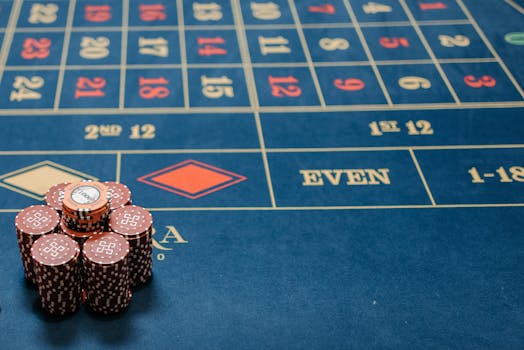
- Inside Bets: These are placed on specific numbers or small groups of numbers. Examples include straight-up (a single number, paying 35:1), split (two numbers, 17:1), street (three numbers, 11:1), and corner (four numbers, 8:1). These bets offer higher payouts but lower chances of winning. - Outside Bets: These cover larger groups of numbers, such as red or black, even or odd, high (19-36) or low (1-18), dozens, or columns. Outside bets have lower payouts (usually 1:1 or 2:1) but much higher chances of winning.Statistically, outside bets are safer and give you more frequent, smaller wins, while inside bets can result in big payouts but are much less likely to hit. If you want to extend your playing time and manage your bankroll, focus on outside bets, especially if you’re a beginner.
Advanced Tactics: Combining Bets and the Importance of Table Selection
Beyond basic strategies, experienced players often combine multiple bets to create custom coverage of the wheel. For example, you might place a series of split or corner bets to cover a section of the wheel or combine outside and inside bets for varied risk and reward.
Here are some advanced concepts:
- Sector Betting: Covering a section of the wheel (such as a third) with a combination of bets, increasing your chances of hitting at least one number in your chosen area. - Neighbors Bet: Popular in European casinos, you can bet on a number and its immediate neighbors on the wheel, usually covering five numbers at once. - Orphelins, Tiers, and Voisins du Zero: These are traditional French bets that cover specific wheel sectors, each with its own betting pattern and odds.Equally important is table selection. Look for tables with favorable rules: European or French wheels, “La Partage” or “En Prison” rules (which return half your even-money bet if zero hits), and lower minimum bets. These small differences can add up over time.
Bankroll Management: The True Key to Long-Term Enjoyment
No strategy can guarantee consistent wins in a game of chance, but managing your bankroll wisely can keep you in the game longer and reduce the risk of big losses.
- Set a budget before you play, and stick to it. Only gamble with money you can afford to lose. - Decide in advance how much you want to win before you walk away, and set a loss limit to avoid chasing losses. - Divide your bankroll into smaller sessions, so a losing streak in one session doesn’t ruin your entire budget. - Never increase your bets just to recover losses—this is how players fall into the trap of chasing losses, often leading to bigger problems.Research shows that players who set and adhere to limits experience more enjoyment and less regret. According to a 2022 study by the UK Gambling Commission, over 60% of casino players who practiced strict bankroll management reported higher satisfaction and lower stress.
Why Realistic Expectations Matter in Roulette Strategy
Roulette is, at its core, a game of chance. The outcome of each spin is independent and unpredictable, thanks to the laws of probability and the randomness of the wheel (or the random number generator in online versions). There is no way to predict with certainty where the ball will land.
However, by understanding the odds, choosing the right games, and playing smarter, you can maximize your enjoyment and minimize your losses. Remember: the house edge ensures that, over time, the casino will always have a statistical advantage.
A 2019 survey by the American Gaming Association found that 78% of roulette players believed their skill or lucky numbers could significantly affect outcomes, even though the game is random. Keeping your expectations in check is crucial for responsible and enjoyable play.
Final Thoughts on the Best Strategies for Playing Roulette
There’s no secret formula to beating roulette. The best strategies focus on understanding the game’s odds, choosing the right wheel, managing your bankroll, and selecting bets that fit your risk tolerance. While betting systems can add structure, they cannot overcome the house edge in the long run.
Play for entertainment, not as a way to make money. Favor European or French tables, prioritize outside bets for steadier results, and always respect your limits. In doing so, you’ll get the most enjoyment out of every spin, making your roulette experience both exciting and responsible.